Emergency Dentist Help for Patients With Recurrent Tooth Infections


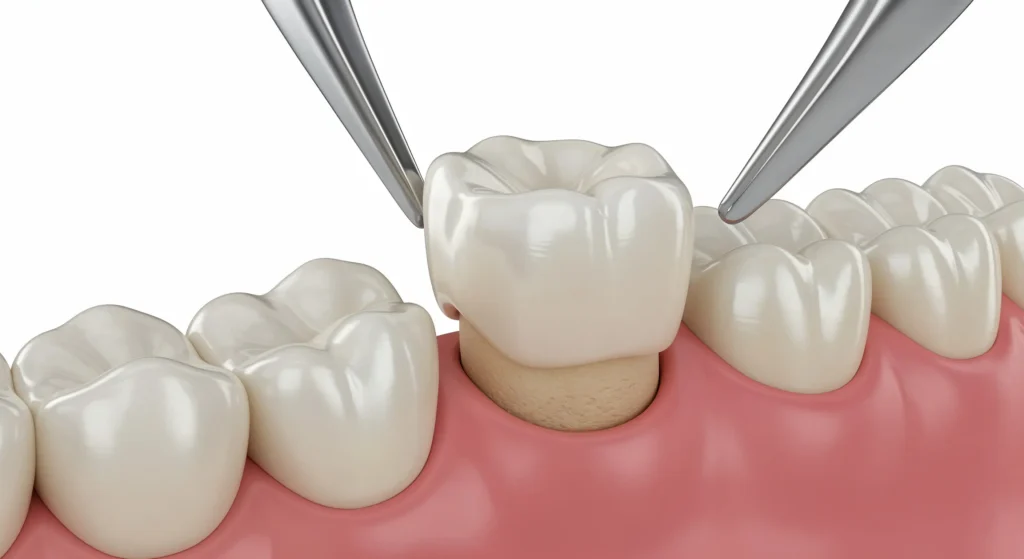
A tooth infection that keeps coming back is not just frustrating. It is a sign that something deeper has not fully resolved, whether that is a hidden crack, an untreated canal branch, a failing filling, gum involvement, or a tooth that cannot be predictably saved anymore. Patients often describe the pattern the same way. The pain eases after antibiotics, or after swelling drains, then a few weeks or months later the pressure returns. Sometimes it flares at the worst possible moment, before a work trip, over a holiday weekend, or in the middle of the night.
This is where an Emergency Dentist becomes more than a source of short-term relief. In recurrent infections, urgent care has to do two jobs at once. First, it needs to settle the immediate problem, pain, swelling, pressure, fever risk, difficulty chewing. Second, it needs to identify why the infection is repeating and whether the tooth has a realistic path to recovery. If those two goals are not addressed together, patients can end up stuck in a cycle of antibiotics, temporary fillings, and recurring emergencies.
Why recurrent infections behave differently
A first-time tooth infection can sometimes be straightforward. Deep decay reaches the nerve, bacteria enter the pulp chamber, the tooth becomes inflamed and infected, and treatment is directed at removing that source. Recurrent infections are more complicated because they usually mean bacteria still have access to tissue they should not be reaching.
That access can happen in several ways. A root canal may have been started but not completed. A completed root canal may have missed a narrow accessory canal, or the crown sealing the tooth may have broken down over time. A large filling can develop leakage along its edges. A vertical crack can let bacteria travel below the gum line. In other cases, what feels like another tooth infection is partly a gum abscess or a deep periodontal pocket next to the tooth.
The distinction matters because the treatment choices are different. If the problem is a leaky restoration, a better seal might help. If the issue is persistent infection inside the root structure, retreatment by a general dentist or endodontist may be the better route. If a tooth is split, repeated drainage and antibiotics will not solve it. That tooth often needs extraction because the pathway for bacteria cannot be sealed in a lasting way.
Many patients understandably ask why antibiotics did not fix the problem the first time. Antibiotics help control the spread of infection in the surrounding tissues, but they do not remove dead tissue inside a tooth or close a crack in enamel and dentin. In practical terms, they reduce the fire outside the building, but they do not rebuild the damaged room where the fire started.
What an emergency visit is actually trying to accomplish
When you see an Emergency Dentist for a recurrent tooth infection, the visit should go beyond a quick prescription pad. The strongest emergency care starts with a focused history. A dentist will want to know how many times this tooth has flared, whether it has had prior root canal treatment, whether the pain wakes you at night, whether swelling comes and goes, and whether hot or cold temperatures still trigger symptoms. Even the timeline matters. A tooth that swells every few months tells a different story than one that has never fully settled since a recent filling.
Examination usually includes percussion testing, bite testing, gum measurements, and imaging. Sometimes a standard X-ray is enough to show a dark area around the root tip that suggests chronic infection. Sometimes it is not. Small fractures and early failures can be difficult to see. That is why clinical judgment still matters. A tooth can look only mildly suspicious on an image and still be functionally unsalvageable if the crack pattern, symptoms, and exam all point in the same direction.
Emergency treatment usually falls into a few broad categories. If there is swelling with a drainable abscess, the dentist may open the tooth or the gum to release pressure. If the pulp is acutely inflamed or infected, emergency root canal access may be needed to remove infected tissue and reduce pain. If a previously treated tooth has a failing crown or open margins, the dentist may place a temporary seal while planning definitive care. And if the tooth is beyond repair, extraction may be the most honest and safest recommendation, even when that is not what the patient hoped to hear.
Patients often feel disappointed when they hear that the emergency visit is a first phase rather than the entire solution. That reaction is normal. A recurrent infection is often a layered problem. The dentist may need to calm the infection today, then either complete treatment in a second appointment or refer to a specialist for retreatment, surgery, or replacement planning.
The red flags that make the situation more urgent
Not every recurrent infection requires a trip to the hospital, but some symptoms should never be brushed aside. Facial swelling that spreads quickly, difficulty swallowing, difficulty breathing, fever, chills, or an inability to open the mouth normally can suggest that the infection is moving beyond a local dental problem.
Here are the signs that should push a patient to seek urgent help immediately:
- Swelling that extends into the cheek, jaw, eye area, or neck
- Fever, shaking chills, or feeling systemically unwell
- Trouble swallowing saliva, speaking clearly, or breathing comfortably
- Severe pain that does not respond to over-the-counter pain relief
- A bad taste or sudden drainage followed by rapid re-swelling
An Emergency Dentist can often manage localized dental abscesses in the office, but once swelling threatens the airway or spreads through facial spaces, hospital care may be needed. That is not common, but it is serious when it happens.
Why the pain pattern can be misleading
Patients often expect the worst infection to cause constant, dramatic pain. That is not always how it presents. A chronic infection around the root can be surprisingly quiet for weeks, then flare after chewing on something hard or after a period of stress and poor sleep. Some infected teeth only hurt when you bite down and release. Others feel fine until a pimple-like bump appears on the gum and drains.
One patient I once heard described a back tooth that “only acted up every few months.” It turned out the tooth had an old root canal and a narrow fracture beneath the crown. Because the pressure could occasionally drain through the gum, the pain was less intense than expected. The infection still persisted, and each round of swelling caused more bone loss around the root. By the time it was fully evaluated, the treatment options were narrower than they would have been six months earlier.
That is one of the quiet risks of recurrent infection. Intermittent symptoms can create false reassurance. If the pain fades, many people assume the tooth https://belisadbnr.gumroad.com/p/emergency-dentist-advice-for-managing-fear-during-urgent-care is healing. More often, it means the pressure changed, not that the source has disappeared.
When antibiotics help, and when they do not
Antibiotics have a proper role in dental emergencies, but they are often misunderstood. They are most useful when there is spreading infection, diffuse swelling, fever, or evidence that the body needs extra support controlling bacterial spread. They may also be used when drainage is not possible immediately.
They are not a substitute for removing the source. A tooth with infected pulp tissue, necrotic debris, or an open pathway for bacteria usually needs local treatment. That means root canal therapy, retreatment, drainage, extraction, or a combination of those steps. Repeated antibiotic courses without definitive treatment can create a false sense of progress. Symptoms improve, the tooth is left in place without correction, and the cycle repeats.
There is another practical issue. Recurrent antibiotic exposure can complicate future care. Patients can develop stomach upset, yeast infections, allergic reactions, or reduced responsiveness to commonly used drugs. A careful Emergency Dentist will weigh those risks rather than reflexively prescribing the same medication for the third or fourth flare.
The most common causes behind repeat flare-ups
A recurrent infection usually has a mechanical or anatomical reason behind it. That is why these cases need a more investigative mindset.
A tooth that had a root canal years ago may now have leakage around an aging crown. Saliva and bacteria can seep under the restoration and recontaminate the canal space. Another common scenario is a molar with unusually curved or narrow canals. Even well-executed treatment can miss small anatomy, especially in complex teeth. Then there are fractures, which are among the hardest problems to manage. A cracked tooth may feel treatable at first, but if the crack extends down the root, the prognosis changes dramatically.
Gum disease can also mimic or worsen endodontic infection. When deep pockets form next to a tooth, bacteria can track downward from the gum side while bacteria inside the root system persist from within. Those combined lesions require careful diagnosis because treatment aimed at only one side often fails.
Sometimes the culprit is simpler. A temporary filling falls out. A patient delays a planned crown after root canal therapy, and the tooth structure flexes or leaks. A large cavity under an old filling is hidden until the tooth finally breaks or swells. Emergency dentistry often reveals these practical breakdowns, not because the prior treatment was careless, but because teeth are living structures under daily force and constant bacterial challenge.
Saving the tooth versus removing it
This is usually the hardest part of the conversation, and it deserves honesty. Patients with recurrent infections often arrive hoping for one more rescue attempt. Sometimes that is completely reasonable. A tooth with a failed prior root canal but good remaining structure, healthy surrounding bone, and no vertical fracture may be an excellent candidate for retreatment. In those cases, saving the natural tooth can be the best long-term value, even if the upfront treatment requires specialist care.
At other times, another attempt is not the wisest move. If the tooth has very little structure left above the gum line, if decay extends deep below the bone, if the crack pattern is unfavorable, or if repeated infections have caused substantial bone loss, extraction may be the more predictable choice. Predictable matters. Patients are not served well by spending significant time and money on a tooth with a poor chance of lasting a year or two.
There is no universal rule. A front tooth with a restorable failed root canal may be worth aggressive salvage. A heavily restored molar with a suspicious fracture and recurrent abscess may not be. Clinical judgment comes from balancing anatomy, restorability, bite forces, cost, healing time, and the patient’s broader dental plan.
That broader plan is often overlooked. If a patient already has multiple failing teeth, severe grinding, or advanced gum disease, the question is not only “Can this tooth be saved?” but also “Does saving this tooth improve the whole mouth in a durable way?” Good emergency care keeps the long view in sight.
What happens during treatment on the day of the emergency
Many patients fear the emergency appointment because they imagine it will automatically mean a long, painful procedure. In reality, urgent care is usually focused and deliberate. The goal is to reduce infection pressure, secure the area, and set up the next step.
If the tooth is opened for emergency root canal access, the dentist removes infected tissue from the chamber, irrigates the canal system as much as appropriate for that visit, places medication if needed, and seals the opening with a temporary material. Relief can be dramatic when pressure inside the tooth is reduced. If there is a localized gum swelling, incision and drainage may be performed after anesthesia. Patients often feel immediate decompression, though soreness can remain for a day or two.
If extraction is necessary, the dentist will discuss whether the infection changes the complexity of removal. Some infected teeth come out simply. Others are brittle, heavily broken down, or fused to inflamed tissue, which can make the procedure more involved. Honest expectations help. An emergency extraction can solve the infection source quickly, but it also starts a new phase of planning if the tooth needs replacement later.
How to prepare before you go
A little preparation helps the visit move faster and gives the dentist a better chance of making a correct decision.
Bring or send ahead these details if you can:
- A list of current medications, including recent antibiotics
- The name of the tooth if you know it, or which side and whether upper or lower
- Any recent X-rays or records from another dental office
- Information about allergies, pregnancy, or medical conditions such as diabetes
- A clear timeline of when the infection first started and how often it returns
That timeline is more valuable than patients realize. “It swelled three times in six months, always after biting on that side” tells the dentist something important about pattern and likely cause.
The role of medical conditions and overall health
Recurrent dental infections are not only about the tooth. The body’s healing environment matters. Diabetes, especially if poorly controlled, can make infections harder to settle and tissues slower to repair. Smoking reduces blood flow and can worsen both gum health and post-treatment healing. Certain medications, including some that affect bone metabolism or immune function, can change how treatment is planned.
Stress and sleep are not trivial, either. They do not cause tooth infections by themselves, but they can intensify grinding, clenching, and immune strain. A cracked tooth that barely held together for months may finally flare during a stressful period because nighttime clenching increases. That does not replace the need for definitive dental treatment, but it helps explain why symptoms can surge at certain times.
An experienced Emergency Dentist usually looks for these patterns because they affect both urgency and prognosis. A mildly infected tooth in a healthy patient is one scenario. The same tooth in a patient with uncontrolled diabetes and facial swelling is another.
What recovery usually feels like
After emergency treatment, patients often want to know what is normal. Some tenderness to biting, mild throbbing, or soreness at the injection site can be expected for a couple of days. If the tooth was opened and medicated, the area may feel bruised before it gradually calms down. Swelling should start to improve, not worsen. Drainage may continue briefly if an abscess was decompressed.
The key is trend, not perfection on day one. Pain that slowly eases is different from pain that intensifies. A small amount of residual soreness is different from new facial swelling or fever. Patients should be given clear instructions about medications, chewing on the opposite side if needed, and what symptoms justify a return call.
One common problem after emergency care is delay. The tooth feels better, so the patient postpones the next appointment. This is where recurrent infections are born again. Temporary seals are temporary. Opened teeth need completion. Extracted teeth may need follow-up to discuss replacement and bite balance. Relief is the start of treatment, not the end.
Preventing the next emergency
Prevention, in these cases, does not always mean avoiding treatment. It often means finishing the right treatment promptly. If a root canal is recommended, delaying the crown afterward can shorten the life of the tooth, especially in back teeth that absorb heavy chewing forces. If a crack is suspected, using the tooth normally while “waiting to see” can convert a manageable problem into a vertical split.
Regular review matters too, especially for teeth that have had large restorations or prior root canals. Small changes around a crown margin, subtle tenderness, or early radiographic changes can be caught before they become another weekend emergency. Patients who grind their teeth benefit from bite protection not because a guard stops bacteria, but because reducing flex and crack propagation protects vulnerable restorations.
There is also value in plain communication. If a dentist tells you a tooth is questionable, ask what would make it fail, what signs to watch for, and how urgent the next step really is. Vague reassurance helps no one. Specific guidance does.
Choosing the right emergency care for a repeat infection
Not every urgent dental clinic is set up the same way. For a recurrent infection, experience with diagnosis matters as much as availability. A practice that can provide X-rays, drainage, emergency endodontic access, extraction when necessary, and a realistic referral path offers more than simple symptom control.
Patients should expect candor. Sometimes the most professional answer is, “This tooth may be saveable, but I need to stabilize you today and have an endodontist evaluate whether retreatment is worth it.” At other times the right answer is, “I do not think another round of temporary care is in your best interest.”
That kind of directness can be hard to hear in the moment, especially when you are in pain. It is still better than drifting through repeated infections that gradually damage bone, disrupt sleep, affect work, and raise the cost of eventual treatment.
A recurrent tooth infection is a message, not just an episode. The job of an Emergency Dentist is to hear that message clearly, control the immediate danger, and guide the patient toward a solution that has a real chance of lasting. When that happens, emergency care stops being a revolving door and becomes the turning point that finally breaks the cycle.
Simple Dental Vermont
Address: 8914 S Vermont Ave, Los Angeles, CA 90044
Phone number: +13239493000
FAQ About Emergency Dentist Los Angeles CA
What can the ER do for a tooth?
The emergency room can provide temporary symptom relief for a bad tooth, such as prescribing pain medicine or antibiotics, but it cannot fix the actual dental problem.
What is the 3-3-3 rule for tooth infection?
The 3-3-3 rule for a toothache or infection typically means taking three 200 mg ibuprofen tablets (600 mg total) three times a day for no more than three days to control pain and swelling while waiting to see a dentist.
What do you do if you have a dental emergency but no dentist?
If you have a dental emergency and no regular dentist, you should search for an urgent care dental clinic, call local walk-in dental offices, or go to a hospital emergency room if you have severe bleeding, swelling, or trouble breathing.